IF YOU ARE AFTER ADVENTURE AND QUALITY LIFESTYLE IN A RICH AND DIVERSE NATURAL ENVIRONMENT THAT ALSO HAPPENS TO BE A COUNTRY WITH ONE OF THE LOWEST UNEMPLOYMENTS RATES IN THE WORLD, YOU ARE IN THE RIGHT PLACE.
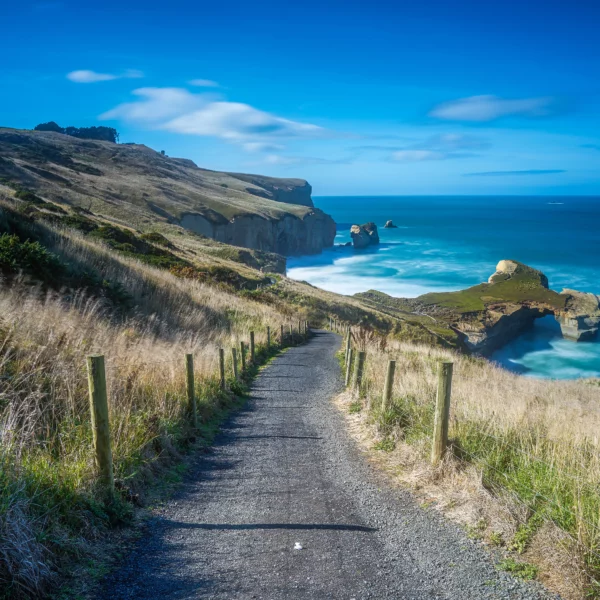
Australia is adventure, color, life and sunshine. You will discover sacred aboriginal places and unique animals (kangaroos, koalas, platypuses), tropical forests and 34’000 km of coastline dotted with surf enthusiasts, paradisiacal islands, dolphins, penguins and whales.
But Australia is also a country of cutting edge technology and research, with a very dynamic economy. Each year, its institutions receive students from all around the globe and the vast record it holds in international education is world renowned.
Every year, it receives students from over 180 countries.
3
Its quality and accreditation systems guarantee high education standards.
4
Amazing natural beauty and unique experiences.
5
Real job opportunities during and after your studies.
LIVING COSTS IN NEW ZEALAND
LIVING COSTS IN AUD$
Australia has a strong economy, solid public health system, quality education system, very low criminality and solid annual growth rates. In conclusion, it is a country with high living standards.
Prices vary depending on the area you are planning to live in, your lifestyle, etc. but here are some average numbers to give an idea. All costs are shown in Australian dollars (AUD$).
Unemployment rates in Australia are only around 6%, so there is work available. Also, the institution where you choose to study may offer a range of services (assistance with your CV, information sessions on the job market, how to find a part-time job etc) to help you out.
Most part-time student jobs tend to be in the hospitality and service sectors, but you may be able to find work in other areas. It all depends on your English level, availabilty and offer. There are no restrictions in what sectors you can work in nor the job as long as as you fulfill your study requirements (attendance and evaluations).